Creative Captioning
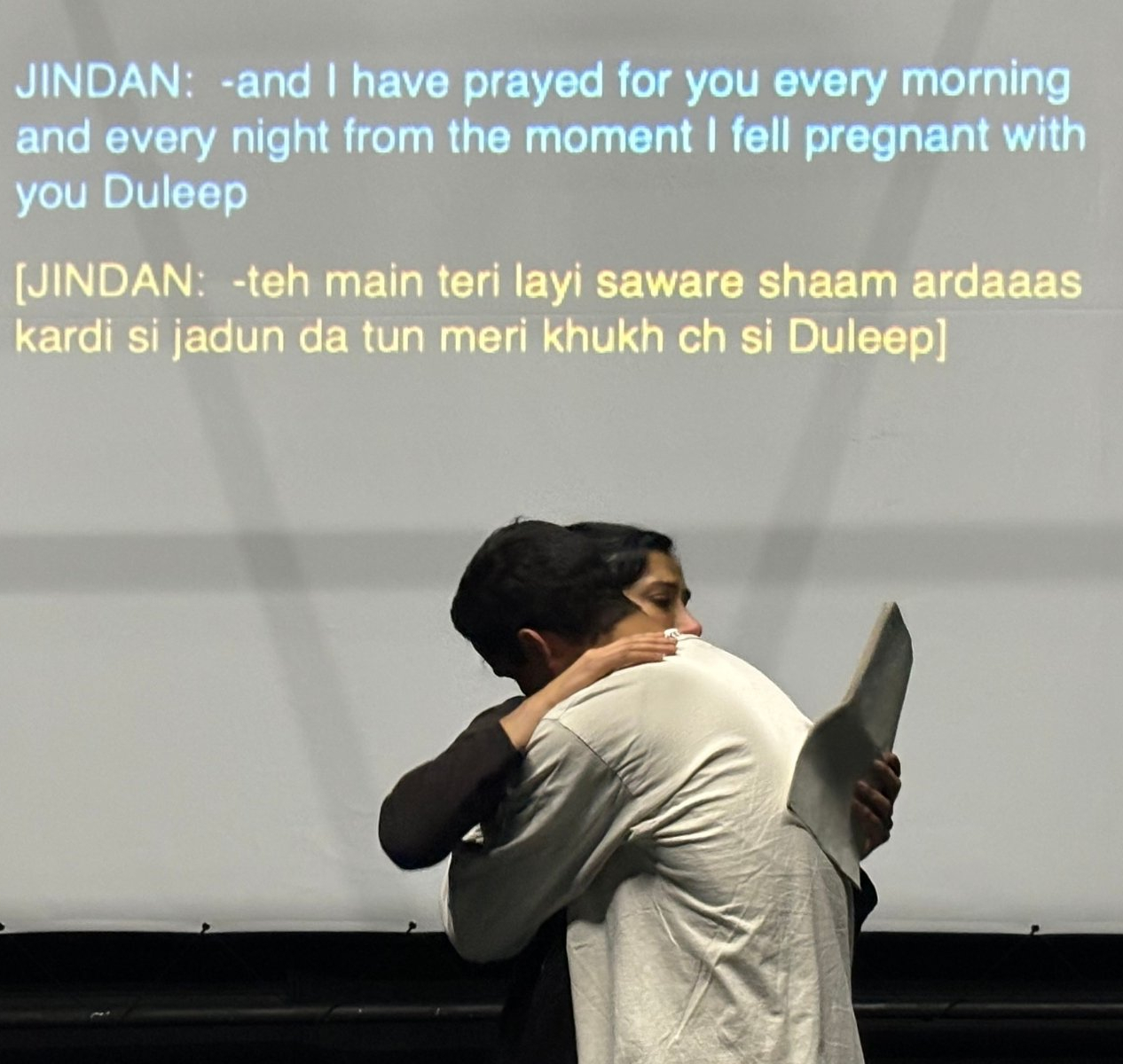
How does captioning enhance the live experience for audiences that use captions to access performances including people for whom English is not their first language?
The question around creative captioning in theatre emerged during our consultation with disabled artists across England and through our Wellspring Writers Programme.
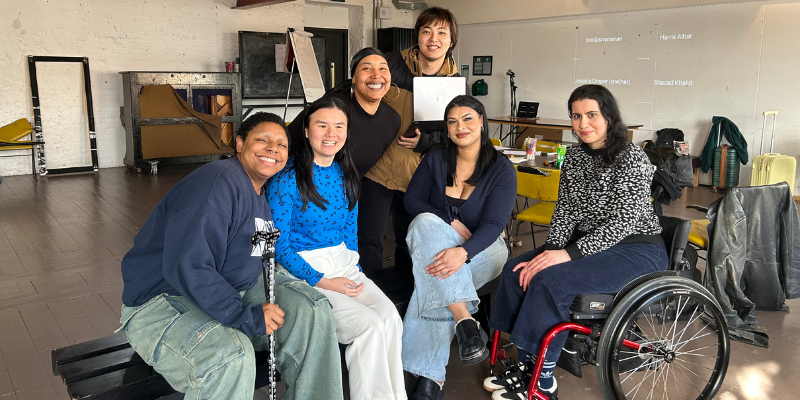
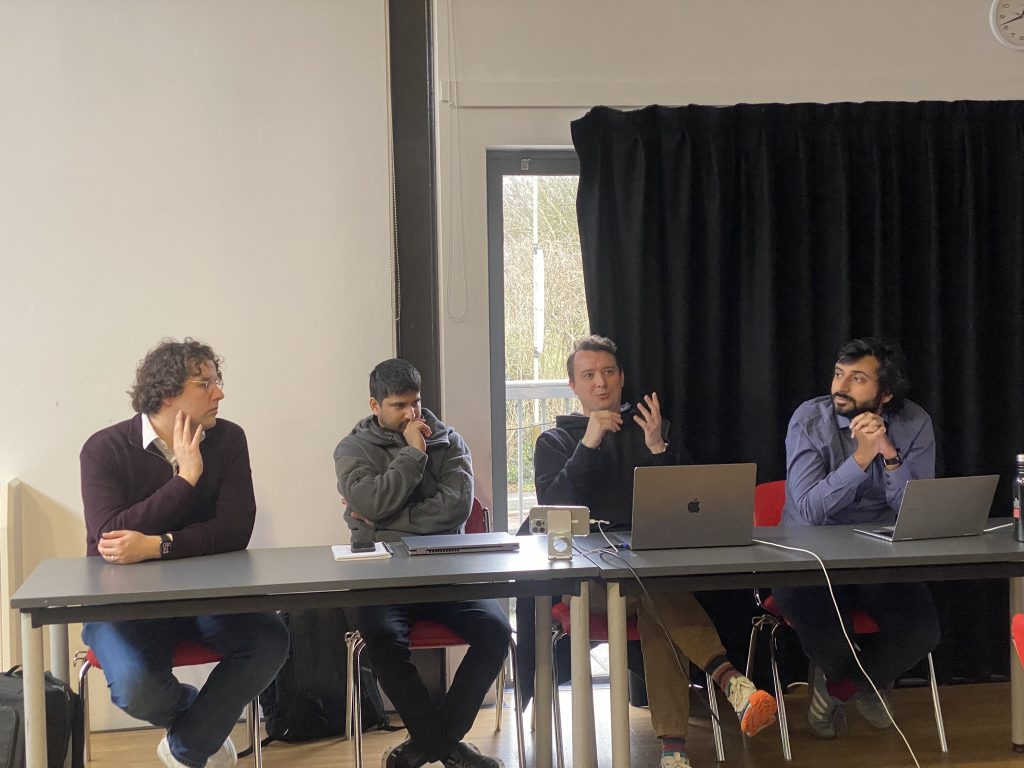
We worked with three playwrights and their plays, written in three South Asian languages, namely Hindi, Punjabi and Urdu. The Lab was split into three segments, during autumn 2024 – winter 2025. Each segment focused on a different play:
- Dial 1 for UK, by Mohit Mathur (Hindi and English)
- The Pride of Punjab, by Gavi Singh Chera (Punjabi and English)
- 10 Nights, by Shahid Iqbal Khan (Urdu and English), in partnership with Phizzical Productions
They were joined by Ben Glover, Creative Captioner, and Diljohn S Singh, Translator.
Further research and discussions revealed that many artists felt that “captions have become reductive rather than creative and that their use was limited and not helpful to storytelling.”
It was also important to recognise that in a diverse society, there are many playwrights who include additional languages in their plays, mainly because of their own heritage, cultural and ethnic background.
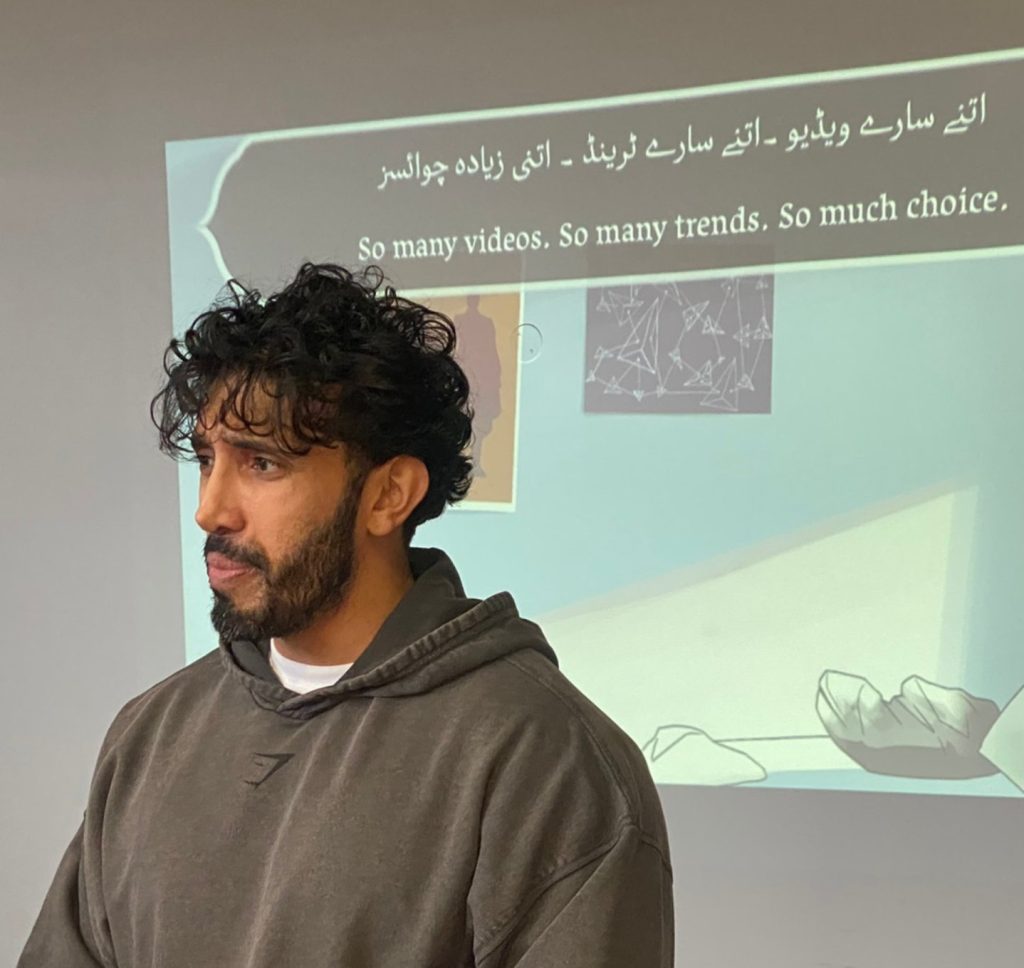
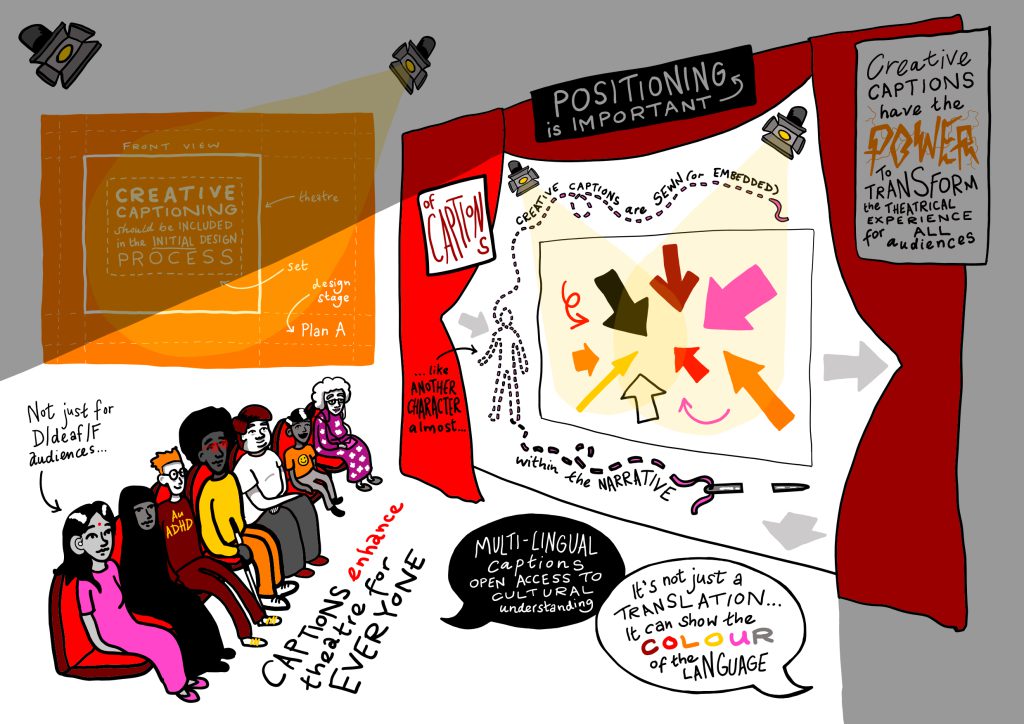
Captions can serve both as an access tool and a creative component of the show’s design. Therefore, a clear answer to the question who the captions are for is crucial from the outset.
Creative captions can unlock new ways to tell stories and welcome new audiences. If they are done well, they can offer a more inclusive, engaging theatre experience for everyone in the space.
The full research report is available to download in Resources.
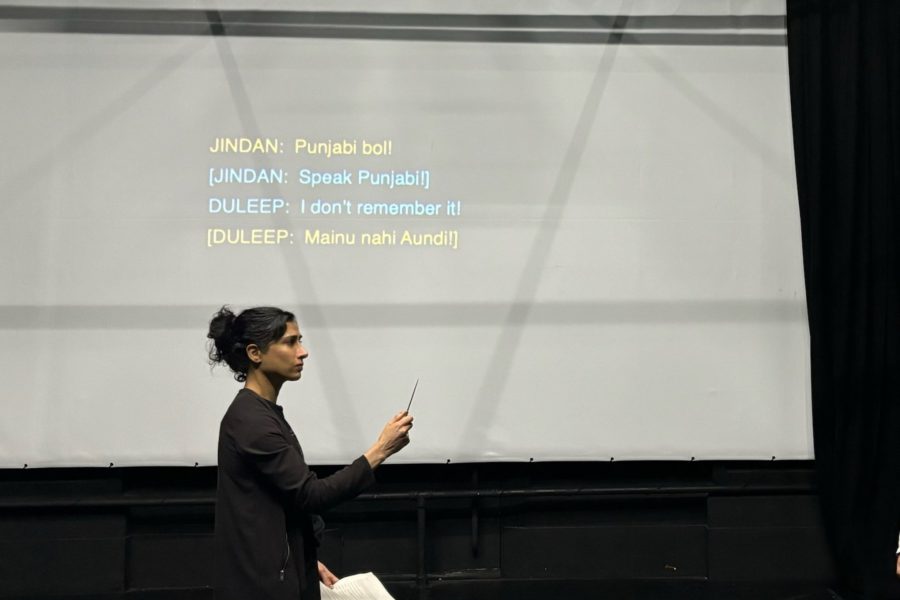
Read and download our Guide to Creative Captioning in our Resources.
An illustration with the key guidance can be downloaded and shared with artists, creatives and peers alongside the resource.
A video animation of the key guidance is also available to watch.
Explore further
Towards a Neurodivergent Dramaturgy
Puppetry and Disability
Inclusive Theatre for and with Children and Young People
Creating a Playscript in BSL