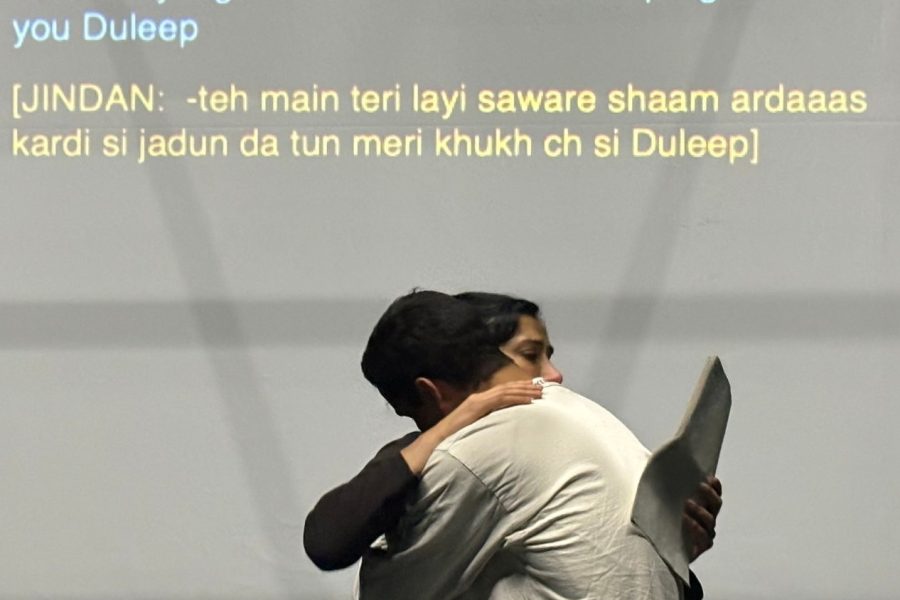
Decolonising Disability
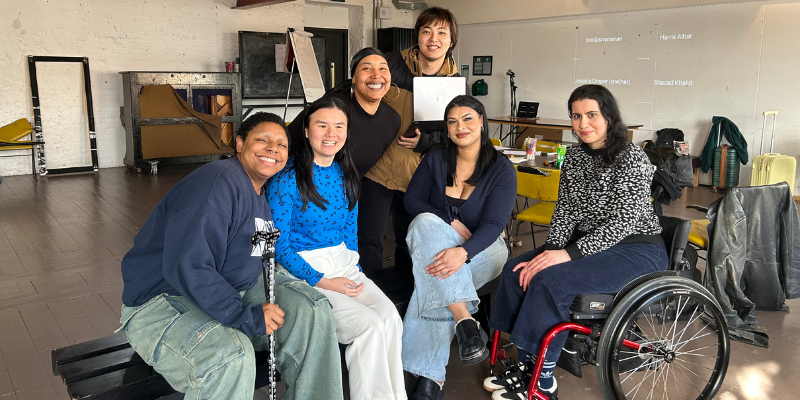
How can disabled artists from the Global Majority be supported to bring their whole selves to their career?
Since initial conversations about the Lab’s programme, there was recognition of the unique position of double exceptionality whereby artists had lived experience of two distinctive characteristics, which meant they operate at an intersection, in this case being both from the Global Majority and disabled.
Being at this intersection comes with even more barriers and experiences of exclusion. It felt important to untangle what these experiences of double-exclusion mean and how to address them.
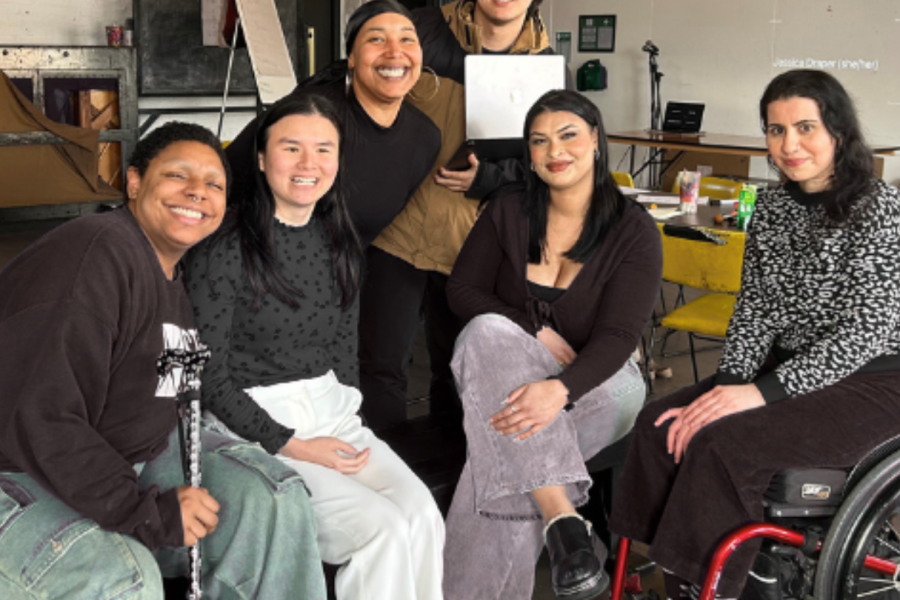
We worked with six disabled artists from the Global Majority to create a space for them to unpack their process of making work through a series of workshops.
The artists who contributed to the Lab and its research were: Arielle Etheridge, Rene Katiisa, Dalia Malek, Eli Reina-Morris, Maria Sidawi and Jasmine Thien.
The Lab took place in Bristol in spring 2025, in partnership with Bristol Old Vic.
Intersectionality requires more than representation. Sometimes even the word inclusion is not enough: systemic generosity is needed, not mere accommodation. Acknowledging colonial legacies and personal cultures that have been shaped in other countries is also incredibly important.
The full research report is available to download in Resources.
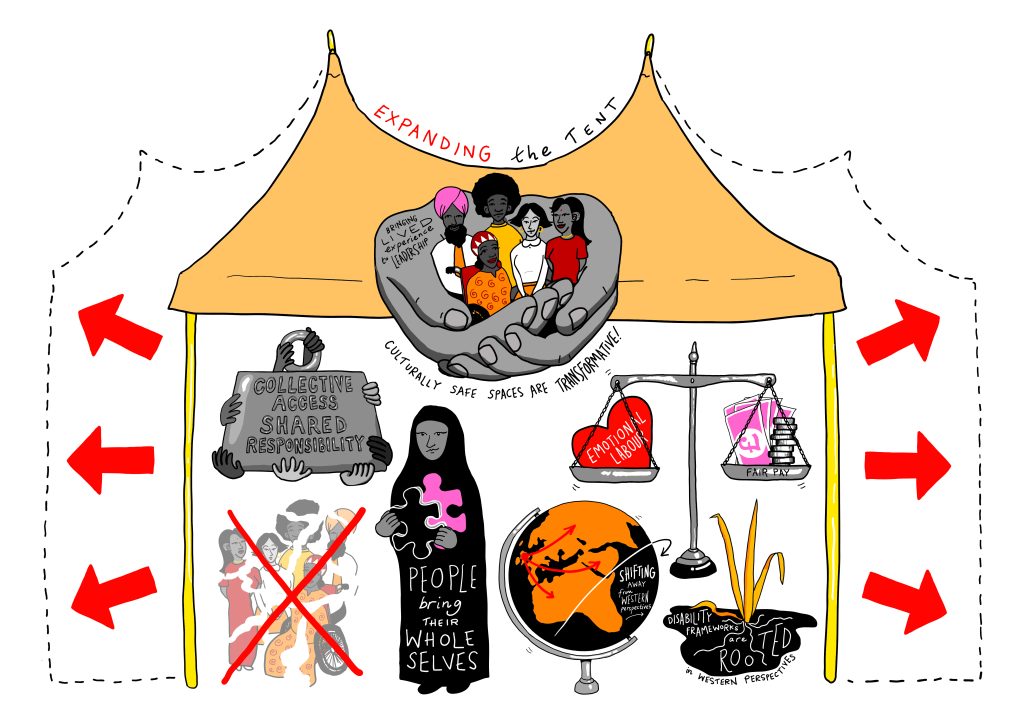
Read and download our Guide to Decolonising Disability in our Resources.
An illustration with the key guidance can be downloaded and shared with artists, creatives and peers alongside the resource.
A video animation of the key guidance is also available to watch.
Explore further
Towards a Neurodivergent Dramaturgy
Puppetry and Disability
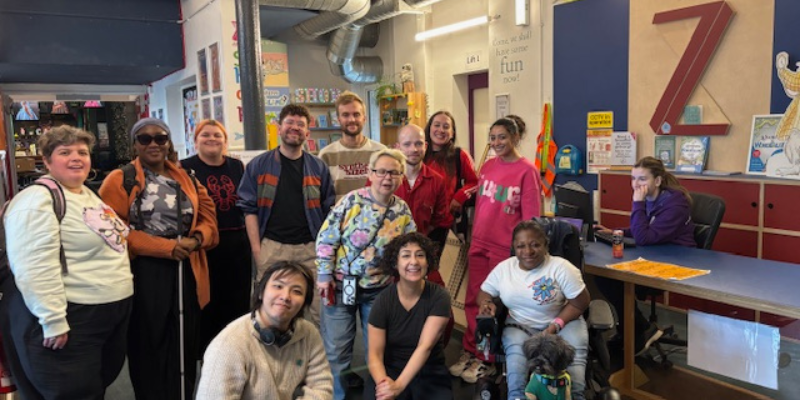
Inclusive Theatre for and with Children and Young People
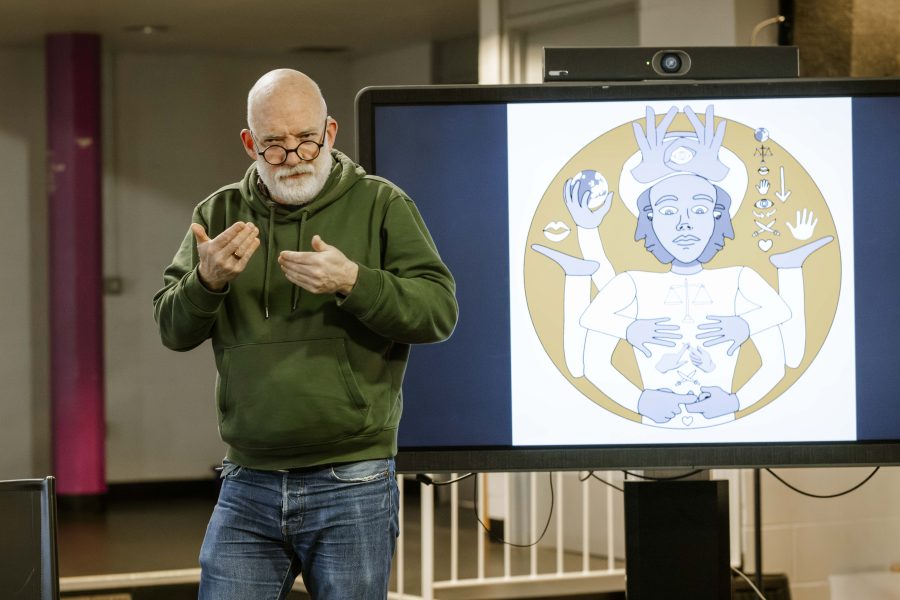
Creating a Playscript in BSL